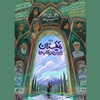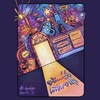

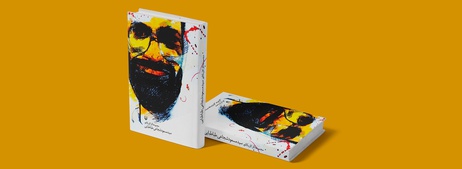
رونمایی از دومین پوستر کمیکستان
- اخبار
- Mon, 14 Sep 2026 16:56:58 +0330

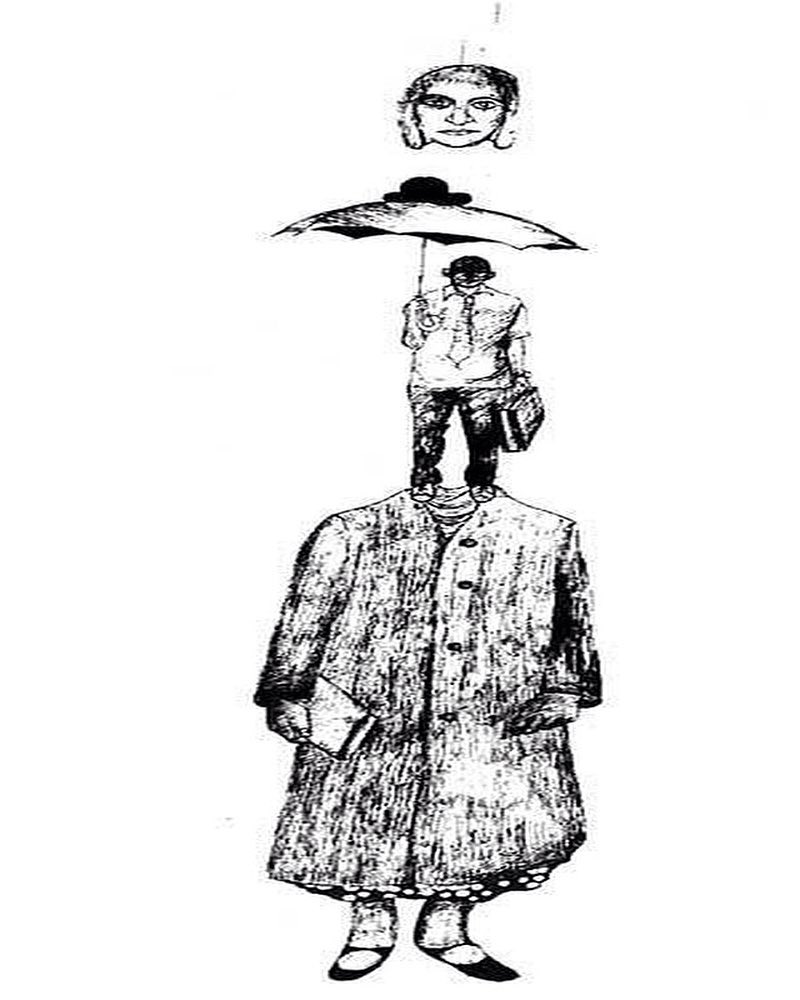
(۱۸ شهریور ۱۳۱۷ – ۱۸ مهر ۱۳۸۷) کارتونیست، تصویرگر و طنزپرداز تصویری برجسته ایرانی است که از تأثیرگذارترین چهرههای کاریکاتور و طنز ترسیمی معاصر ایران بهشمار میرود.
اردشیر محصص در شهر رشت متولد شد و در محیطی فرهنگی رشد یافت. او تحصیلات دانشگاهی خود را در دانشگاه تهران گذراند و از همان سالهای جوانی، طراحی و کارتون را بهطور جدی دنبال کرد. محصص بهتدریج زبانی بصری کاملاً شخصی و متمایز آفرید؛ زبانی که نه متکی بر شوخیهای رایج، بلکه بر مشاهدهای دقیق، گزنده و گاه بیرحمانه از تاریخ، قدرت و انسان استوار بود.
آثار او در دهههای ۴۰ و ۵۰ خورشیدی در مطبوعات و نشریات فرهنگی ایران منتشر شد و خیلی زود جایگاهی خاص برایش رقم زد. محصص با حذف تزئینات و اغراقهای مرسوم کاریکاتور، به سمت بیانی مینیمال، خطمحور و تلخ حرکت کرد. در آثار او، بدن انسان اغلب زخمی، معلق، سرکوبشده یا گرفتار سازوکارهای قدرت است؛ فیگورهایی که نه میخندانند، بلکه مخاطب را به مکث، تردید و تفکر وامیدارند.
یکی از ویژگیهای مهم کار محصص، پیوند عمیق طنز تصویری با تاریخ و حافظه جمعی است. او از نشانهها، لباسها، اسناد و ارجاعات تاریخی بهره میگرفت تا خشونت ساختاری، استبداد، ریاکاری و فروپاشی اخلاقی را بیواسطه و عریان نشان دهد. در نگاه او، طنز ابزاری برای افشا بود، نه تسکین.
اردشیر محصص سالهایی از زندگی خود را در نیویورک گذراند و آثارش در نمایشگاههای متعدد داخلی و بینالمللی ارائه شد. کارهای او به مجموعهها و موزههای معتبر راه یافت و در سطح جهانی بهعنوان نمونهای شاخص از کاریکاتور جدی و اندیشهمحور شناخته شد.
در سالهای پایانی عمر، با وجود مشکلات جسمی، جایگاه او بهعنوان یکی از ستونهای اصلی طنز تصویری ایران تثبیت شده بود. محصص در ۱۸ مهر ۱۳۸۷ در نیویورک درگذشت.
اردشیر محصص نهفقط یک کارتونیست، بلکه مورخ بصریِ زمانه خود بود؛ هنرمندی که با خطی ساده و نگاهی بیامان، حقیقتهای ناخوشایند را ثبت کرد و میراثی ماندگار در هنر معاصر ایران و جهان بر جای گذاشت.
Ardeshir Mohassess (September 9, 1938 – October 9, 2008) was a prominent Iranian cartoonist, illustrator, and visual satirist, regarded as one of the most influential figures in contemporary Iranian caricature and graphic satire.
Ardeshir Mohassess was born in the city of Rasht and grew up in a culturally rich environment. He pursued his higher education at the University of Tehran and, from an early age, seriously dedicated himself to drawing and cartooning. Over time, Mohassess developed a highly personal and distinctive visual language, one that relied not on conventional humor but on sharp, precise, and sometimes merciless observation of history, power, and the human condition.
During the 1960s and 1970s, his works were widely published in Iranian newspapers and cultural journals, quickly earning him a unique and unmistakable position. By stripping caricature of decorative elements and familiar exaggerations, Mohassess moved toward a minimalist, line-driven, and bitter form of expression. In his drawings, the human body often appears wounded, suspended, suppressed, or trapped within mechanisms of power. These figures do not provoke laughter; rather, they compel the viewer to pause, doubt, and reflect.
A defining characteristic of Mohassess’s work is the deep integration of visual satire with history and collective memory. He employed symbols, uniforms, documents, and historical references to expose structural violence, despotism, hypocrisy, and moral collapse in a direct and unfiltered manner. For Mohassess, satire was a tool of revelation, not consolation.
Mohassess spent part of his life in New York, where his works were presented in numerous solo and group exhibitions both in Iran and internationally. His drawings entered major collections and museums and came to be recognized worldwide as exemplary works of serious, intellectually driven caricature.
In the final years of his life, despite physical illness, his position as a central pillar of Iranian visual satire was firmly established. Ardeshir Mohassess passed away on October 9, 2008, in New York.
Ardeshir Mohassess was not merely a cartoonist but a visual historian of his time, an artist who, with a simple line and an uncompromising gaze, recorded uncomfortable truths and left behind a lasting legacy in contemporary Iranian and global art.




به روز بودن سایت ایران کارتون فارسی و لاتین، ارائه آخرین اطلاعات و اخبار، معرفی هنرمندان مطرح داخلی و خارجی، اعلام
مسابقات جهانی در زمینه کارتون و کاریکاتور و تحلیل و بررسی آثار مطرح در این ارتباط ، نمایش فیلم
های آموزشی و گذاشتن هزاران تصویر در گالری های این سایت تنها گوشه ای از فعالیت های این سایت هنری
است.
سایت ایران کارتون سه بار تاکنون رتبه اول در بین سایت های تخصصی را از آن خود کرده
است و در حال حاضر بالاترین جایگاه در بین سایت های تخصصی ایران و جهان را داراست.